


 英语
英语 西班牙语
西班牙语Кошка:Гидравлический шланг
НАЗВАНИЕ ПРОДУКТА: Спиральный защитный рукав из полипропилена для гидравлического шланга Рекомендуется для: Использование спиральной защитной ...
Посмотреть большеКонтент
A maintenance supervisor on a midsize excavator line built up a new hose assembly with what he thought was a -8 JIC fitting. He measured the hose end, checked the thread outside diameter, and confirmed the hex size. By lunchtime the joint was weeping. The culprit was not the hose or the crimping; it was a mismatch between the 37° cone seat and the male thread it was paired with. Hydraulic hose fitting dimensions are not one number. They combine dash size, thread outside diameter, thread pitch, hex size, and seat angle. Getting these right on the first pass prevents downtime, seal wear, and safety incidents.
A dash size is the hydraulic industry's shorthand for the nominal hose bore in 1/16-inch increments. A -6 fitting means 6/16 inch, or 3/8 inch. A -12 fitting means 12/16 inch, or 3/4 inch. The dash number appears in part numbers and is stamped on many hoses, providing a starting point.
Dash size does not define the thread, however. A -8 fitting can feature a 3/4-16 UNF JIC thread, a 13/16-16 UNF ORFS thread, or a 3/4-14 NPT thread. All are -8, yet none are interchangeable without an adapter. That is why dimension verification is a separate step from dash-size reading.
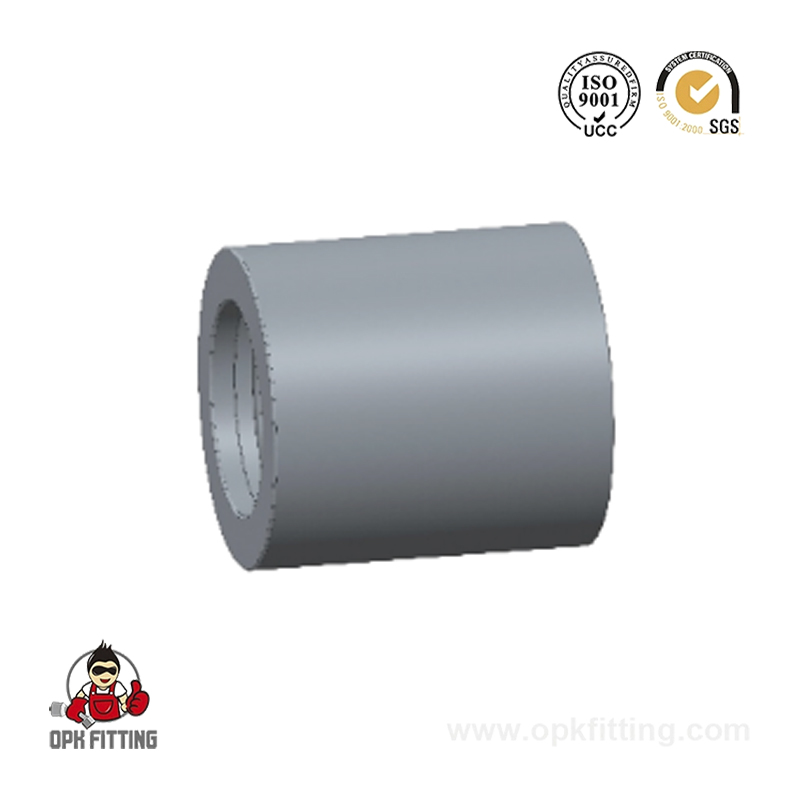 Ferrule for SAE 100R2AT / EN 853 2SN Hose This ferrule matches SAE 100R2AT and EN 853 2SN hoses, designed to secure the hose end. Its inner diameter must align with the hose outer diameter to prevent under-crimp and pull-out failures. View Product →
 For a dash-8 hose, the matching ferrule for SAE 100R2AT / EN 853 2SN follows the same nominal sizing logic. Checking the ferrule inner diameter against the hose outer diameter prevents under-crimp and pull-out failures.
When you hold an unmarked fitting, five measurements give you the full picture. Each one narrows down the standard and the matching port.
| Dash | Nominal Hose ID | Metric Equivalent |
|---|---|---|
| -4 | 1/4 in | 6.4 mm |
| -6 | 3/8 in | 9.5 mm |
| -8 | 1/2 in | 12.7 mm |
| -10 | 5/8 in | 15.9 mm |
| -12 | 3/4 in | 19.1 mm |
| -16 | 1 in | 25.4 mm |
Always measure the thread with a caliper, never by the visible hose end alone. A worn or tapered thread can mislead a quick visual inspection.
Thread identification is where dimension mismatches occur most. Each standard uses a different seat angle and thread form.
National Pipe Taper threads seal by mechanical interference on the tapered flanks. A 3/8-18 NPT male measures approximately 0.675 inches outside diameter, per ANSI/ASME B1.20.1. Torque draws the threads together, so a dash number alone will not tell you the correct thread.
JIC uses straight threads with a 37° cone seat. A -8 JIC male uses a 3/4-16 UNF thread. The seat angle is the critical value; a 37° cone will not seal on a 60° BSP seat, even if the thread diameter matches.
.jpg) JIC Male 74° Cone Hydraulic Fitting This JIC male fitting features a 74° cone seat and straight UNF threads, ensuring a reliable seal when mated with appropriate female connectors. Suitable for hydraulic systems requiring leak-proof connections. View Product →
JIC Male 74° Cone Hydraulic Fitting This JIC male fitting features a 74° cone seat and straight UNF threads, ensuring a reliable seal when mated with appropriate female connectors. Suitable for hydraulic systems requiring leak-proof connections. View Product → For applications that call for a 74° cone and straight UNF threads, choosing the correctly sized male end eliminates the leak path at the source.
British Standard Pipe threads come in parallel (BSPP) and tapered (BSPT) forms. In parallel BSPP connections, the 60° male cone compresses against the mating seat. Thread sizes are in inches, with 19 threads per inch common for 1/4 through 1 inch sizes.
Metric fittings use a 24° conical seat and metric threads. A common light-duty configuration is M14x1.5, measuring about 13.9 millimetres across the thread crest. This standard is widely used by European equipment builders.
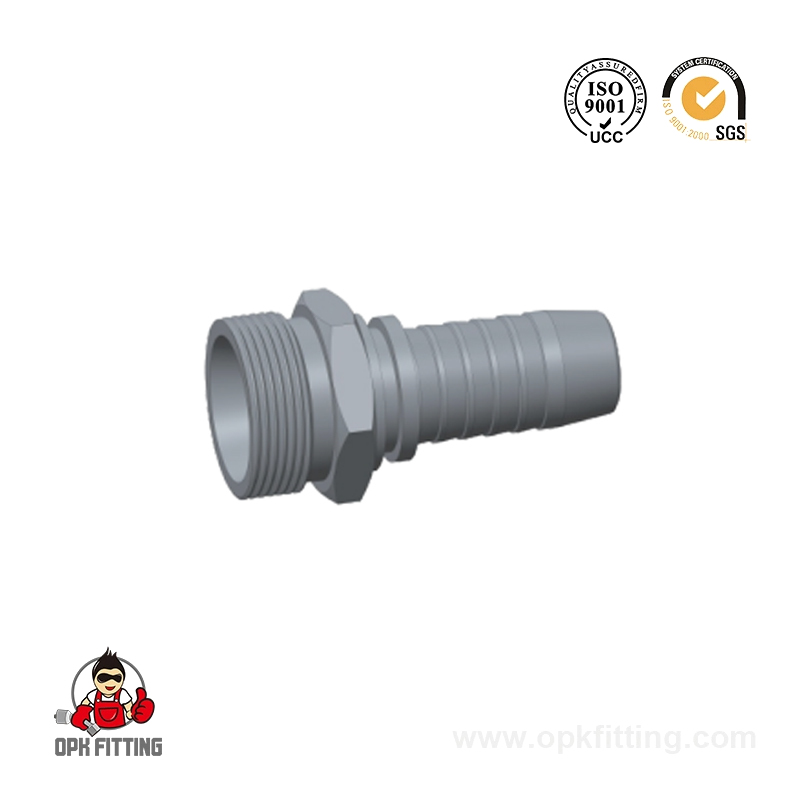 Metric Male 24° Cone Seat Light-Duty Fitting This metric male fitting has a 24° conical seat and M14x1.5 threads, commonly used in European equipment. It prevents cross-threading when replacing original parts and ensures proper sealing. View Product →
 When replacing a European-made fitting, matching the dash size and the metric thread pitch prevents cross-threading.
O-Ring Face Seal fittings have a flat metal face with an O-ring recessed in the female half. A -8 ORFS male uses a 13/16-16 UNF thread. The flat face and O-ring create a zero-leak joint accepted in many high-pressure hydraulic systems.
Below is a schematic representation of a male 74° cone fitting, showing where each dimension is measured. Understanding this layout helps you eliminate guesswork on the bench or in the field.
Here is the honest conclusion up front: if any of the five dimensions cross, buy an adapter. Otherwise, verify the thread and seat angle before crimping.
The chart below maps dash sizes to nominal hose IDs, helping you pick the right fitting family at a glance.
Follow this sequence before assembling:
A properly matched ferrule and fitting assembly reduces the chance of leaks and hose pull-out. If you need more detail on ferrule installation, see this guide on preventing ferrule installation errors . Understanding fitting materials also matters, as hydraulic pipe fitting materials directly affect thread durability in corrosive environments.
A dash size is the nominal hose bore expressed in 1/16-inch increments. Dash -6 equals 3/8 inch, and dash -8 equals 1/2 inch.
Measure the thread outside diameter with a caliper, then count threads per inch for UNF or NPT, or measure the pitch in millimetres for metric threads.
No. JIC uses a 37° cone with straight UNF threads, while NPT relies on a tapered 60° thread to seal. They are not interchangeable.
It refers to a dash-6 adjacent hose bore. The actual thread could be 9/16-18 JIC, 3/8-18 NPT, or 3/8-19 BSP, so the thread must still be measured.
Measure the thread outside diameter in millimetres. A M14x1.5 measures about 13.9 mm, while a 1/4 BSP measures about 13.2 mm, with different thread pitches.
Leaks, premature hose failure, and pressure loss result. In high-pressure systems, an incorrect fitting can become a safety hazard.
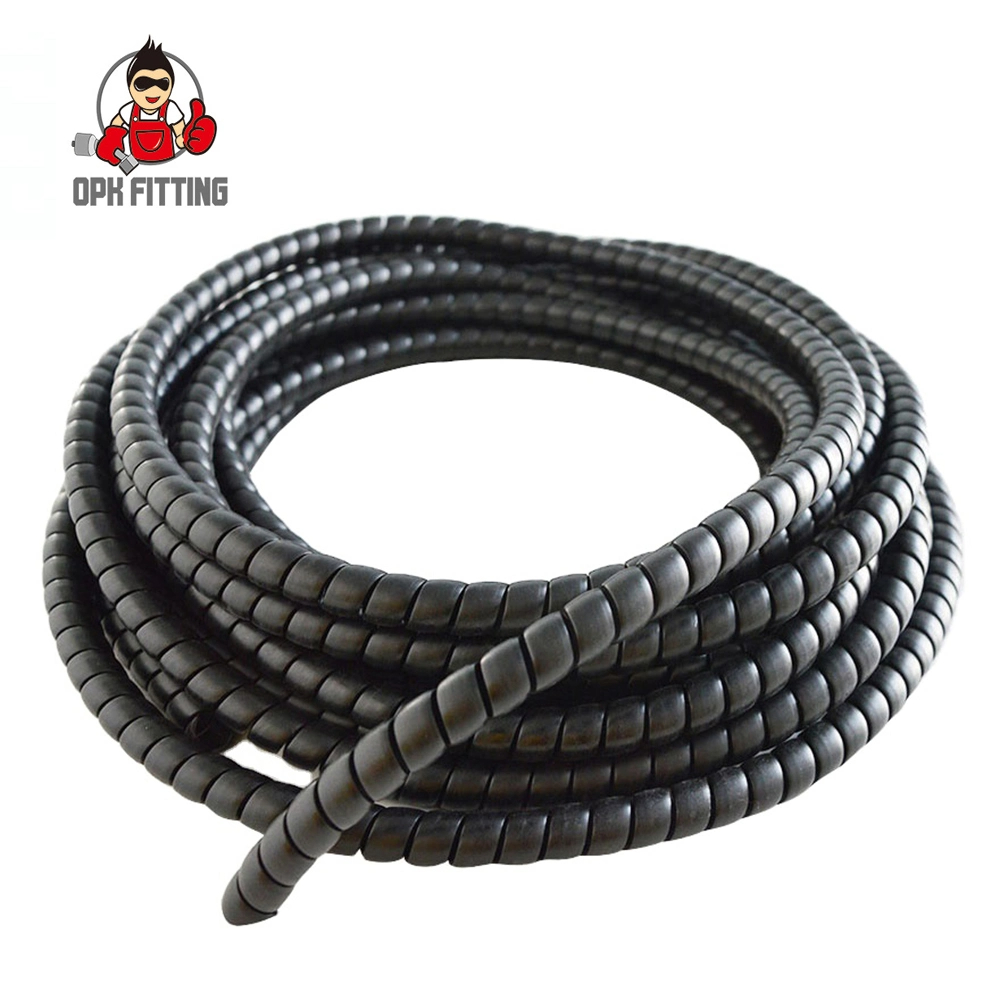
НАЗВАНИЕ ПРОДУКТА: Спиральный защитный рукав из полипропилена для гидравлического шланга Рекомендуется для: Использование спиральной защитной ...
Посмотреть больше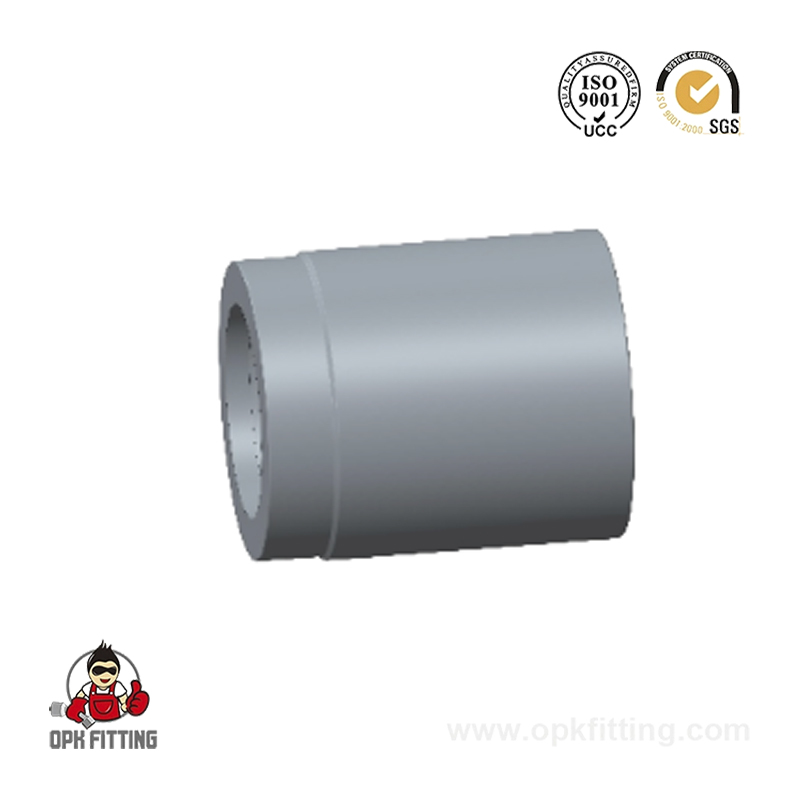
Описание продукции: 1. Сырье: доступны углеродистая сталь и нержавеющая сталь 2. Стандартное покрытие: трехвалентное цинкование (без хрома Cr3), сереб...
Посмотреть больше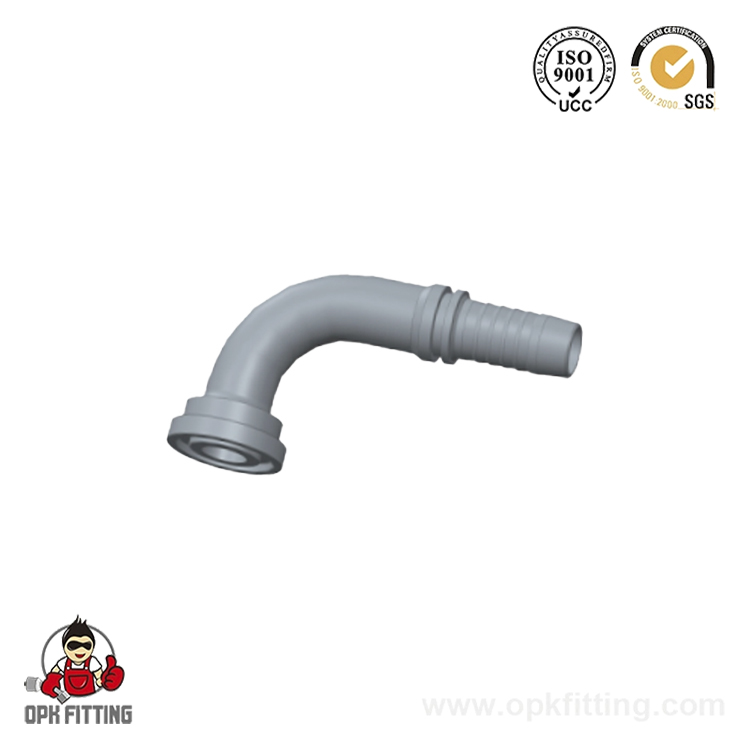
Описание продукта Наименование изделия: Фланцевое соединение SAE на 3000 PSI для гидравлических труб, типы 87611, 87612, 876131. Сырье: доступны углер...
Посмотреть больше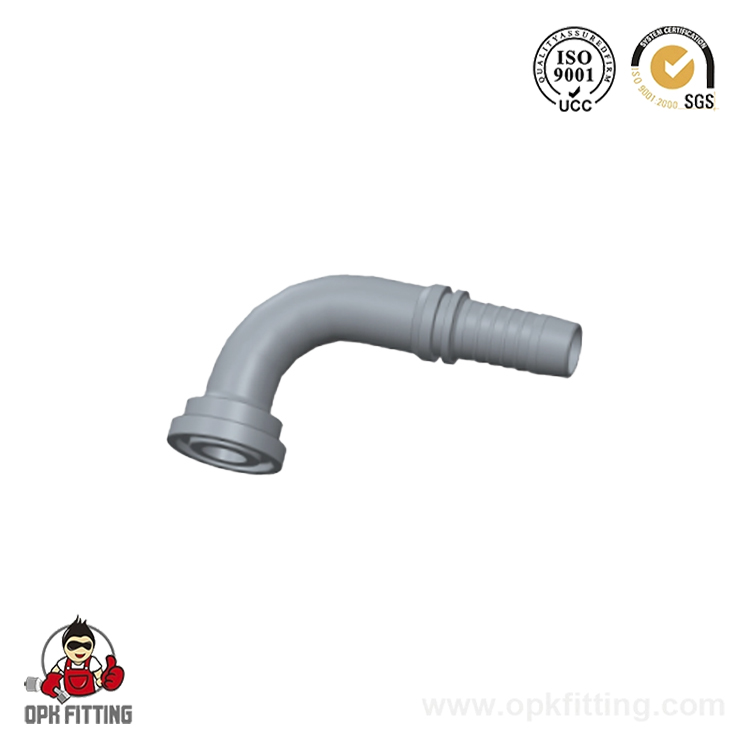
Описание продукта Название продукта: Гидравлический трубный фитинг SAE Фланцевые соединения 3000 Psi 87611. 87612. 87613 1. Сырье: доступны углеродист...
Посмотреть больше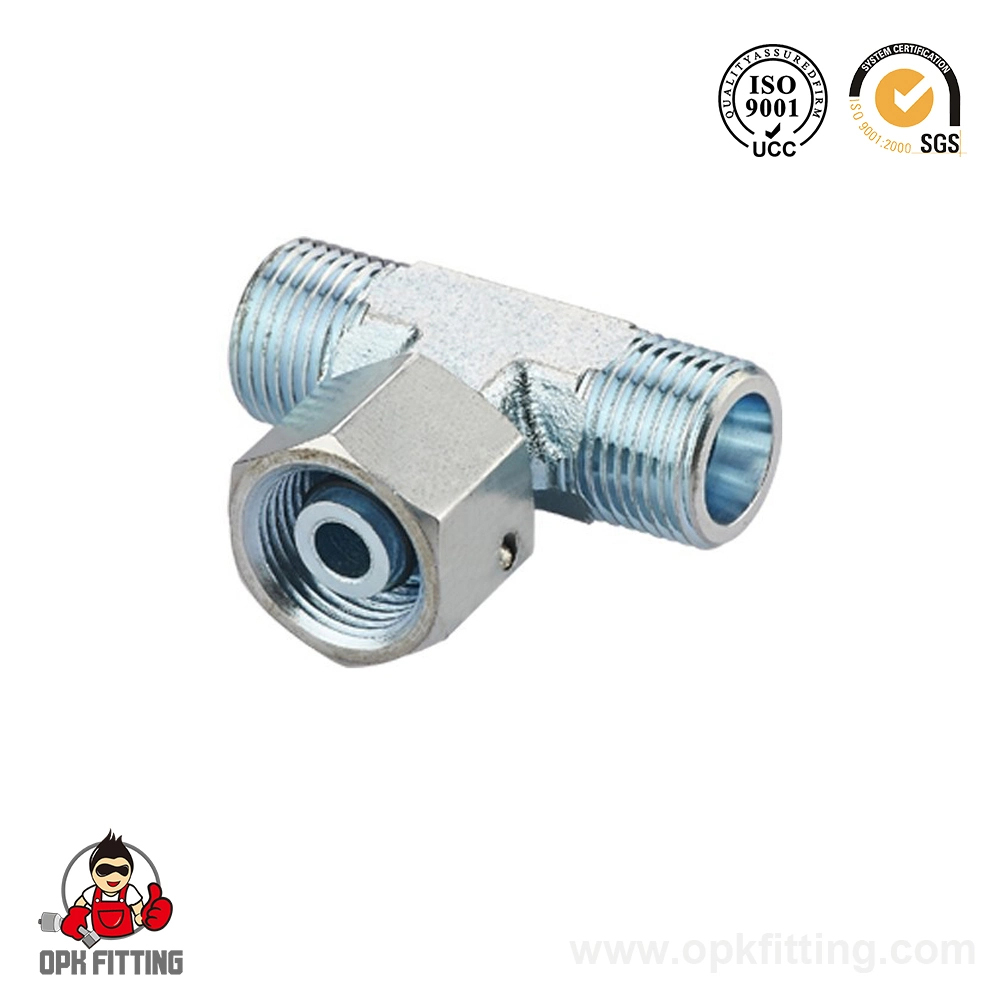
Описание продукта гидравлический адаптер метрический наружный уплотнительный фитинг для труб Материал: углеродистая сталь, нержавеющая сталь Обработк...
Посмотреть больше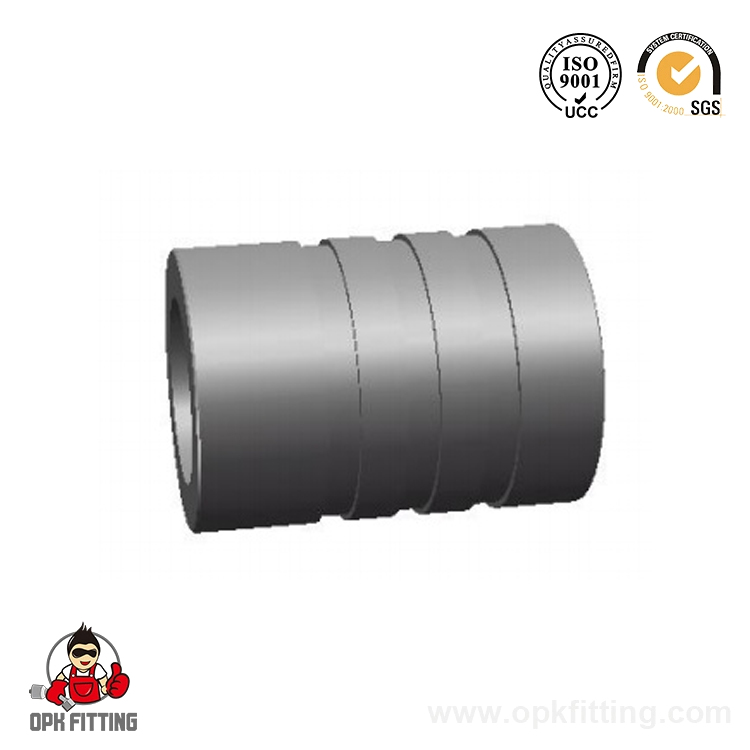
Описание продукции: 1. Сырье: доступны углеродистая сталь и нержавеющая сталь 2. Стандартное покрытие: трехвалентное цинкование (без хрома Cr3), сереб...
Посмотреть больше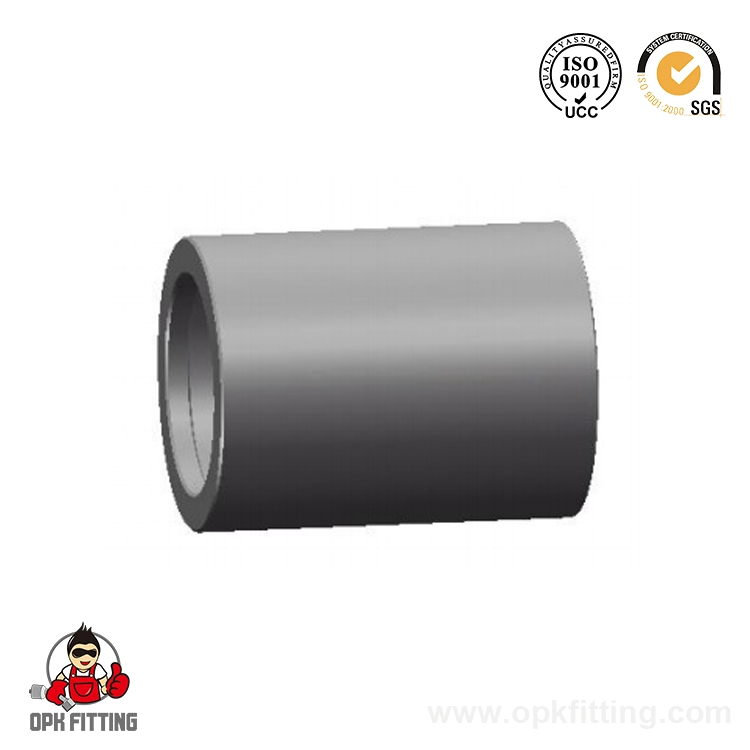
Описание продукции: 1. Сырье: доступны углеродистая сталь и нержавеющая сталь 2. Стандартное покрытие: трехвалентное цинкование (без хрома Cr3), сереб...
Посмотреть больше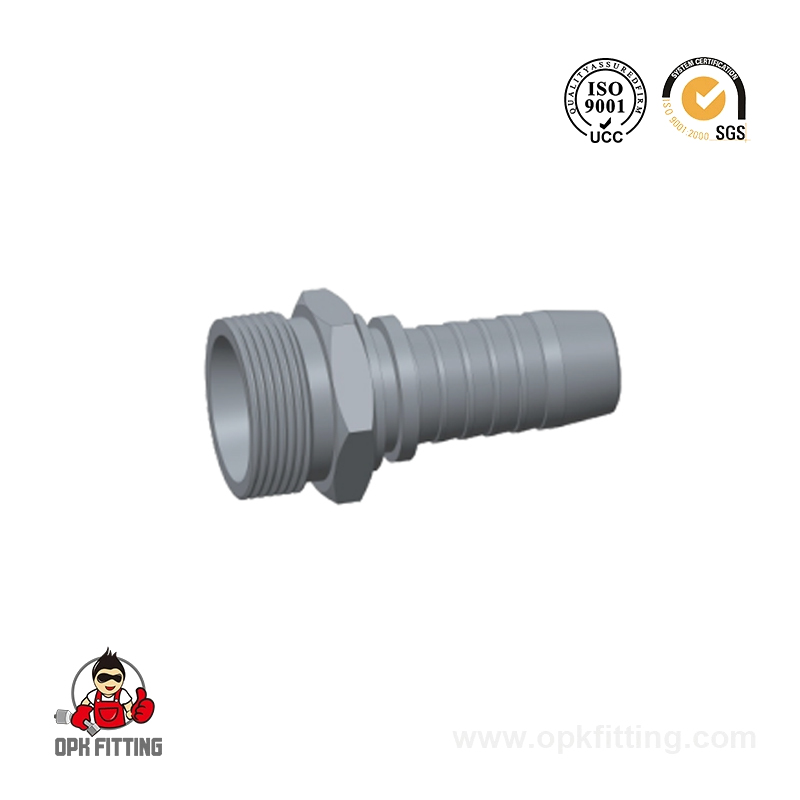
1. Сырье: доступны углеродистая сталь и нержавеющая сталь 2. Стандартное покрытие: трехвалентное цинкование (без хрома Cr3), серебристое и желтое 3. И...
Посмотреть больше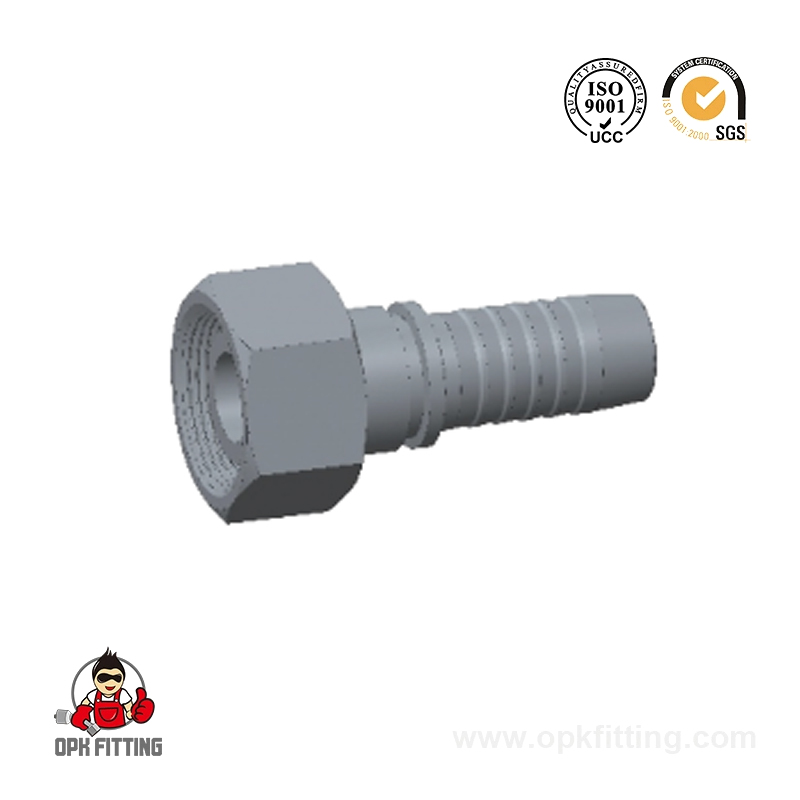
1. Сырье: доступны углеродистая сталь и нержавеющая сталь 2. Стандартное покрытие: трехвалентное цинкование (без хрома Cr3), серебристое и желтое 3. И...
Посмотреть больше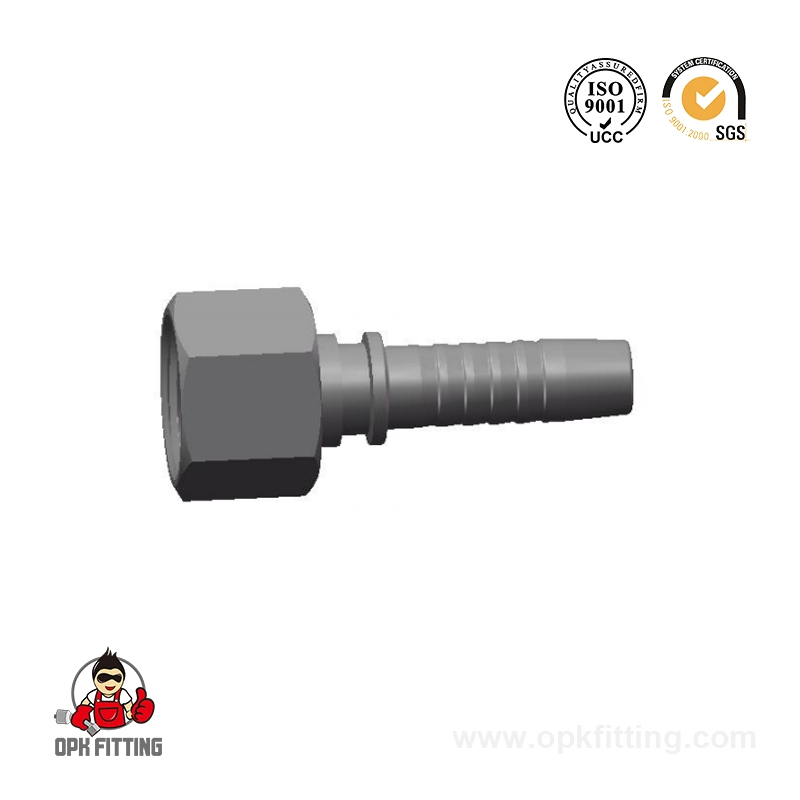
1. Сырье: доступны углеродистая сталь и нержавеющая сталь 2. Стандартное покрытие: трехвалентное цинкование (без хрома Cr3), серебристое и желтое 3. И...
Посмотреть больше

+86-18868902802


Китай, провинция Чжэцзян, город Нинбо, район Фэнхуа, зона экономического развития Фэнхуа, новый район Биньхай, улица Чэнхай, дом 298.
Авторское право @ Ningbo Opk Fitting Co., Ltd. Производители фитингов для гидравлических шлангов Компания по производству OEM и индивидуальных адаптеров
